

In our old place, in Connecticut, we lived in a condo community where each row of connected homes was one of three colors: light gray, beige, and darker beige. The homeowners’ association had draconian rules about everything: where to park, how many cars per driveway, what kind of holiday decorations were allowed, where grills could be placed … If a retired busybody could object to it, it was codified, monitored, and reported.
There was a rule against bird feeders, as well; the dense rulebook claimed they attract bears. This can be true – bears are omnivores, and sunflower seeds and suet are high-calorie snacks that bears can find with their powerful sense of smell. But I wasn’t putting out sunflower or suet, and all of the region’s black bears were on or near the mountain ridge several miles away, separated from us by six lanes of interstate highway. A bear with a taste for the Nyjer seed in the feeder I illegally tucked into the pine outside our back window would surely be obliterated by one of the many Connecticut jackasses passing on the right at 93 mph on I-84. The Nyjer drew chickadees, titmice, goldfinches, and house finches in the winter – the seeds are similar to thistle, a favorite of finches. Dark-eyed juncos and white-throated sparrows and mourning doves would collect underneath to get the seeds they dropped. Any time I felt the yoke of work (and many times when I didn’t), I could look outside and have my spirits buoyed by feathered lives the weight of two quarters.
The condo was close to highways but also to a small lake, so we were adjacent to something akin to a wild place. We got good birds. Bald eagles flew overhead with regularity. We had three kinds of resident hawks (red-tailed, red-shouldered, and Cooper’s) that feasted on the rabbits and chipmunks that flourished in the meticulously gardened community. Great horned owls hooted up a storm each winter, though we didn’t have enough trees for them to nest there. A barred owl – the closest thing I have to a favorite bird – encamped around the neighborhood for a few days one winter, and the morning that it was outside my bedroom window I nearly ascended straight to heaven. We didn’t get many migrant songbirds, but one spring morning I was elated to see a veery – a thrush with a dreamy vocoder song that favors deep woods – hopping around my neighbor’s backyard.
It’s different in California. We live on the back half of a lot that is home to a better house in front and a separate studio apartment where we might have had a small outdoor space. Every inch of the lot that isn’t taken up by a house is either concrete or Astroturf, save two tiny plots of dirt: a narrow strip against our house dominated by a rosemary bush intent on conquering the world, and a 3’x12′ garden shaded by a Mexican lime tree and a passionfruit empire that stretches over a walkway to the trellised roof of the main house’s back deck, where in the summer it drops fragrant purple fruit with the cadence of a B-52 over hostile territory.
The lime tree exerts a power over me. Many years ago, I went to Phoenix to cover a Super Bowl, and our entire production team stayed on a single large property that had both orange and lemon trees. I was a grizzled elder (30s, married) compared to most on the team; the rest were the kind of talented twentysomethings that naturally gravitate to digital media companies where the HR department is either small enough or absent enough to greenlight renting an entire house with not enough beds for a mixed-gender team. As one of two parents there, I was the first to wake each morning, and I’d brew coffee and prepare breakfast for the rest of the house: two dozen scrambled eggs, rashers of bacon, frozen hash browns heating in the oven. But my favorite part was going into the yard, picking 20 or more oranges, and making fresh juice with the electric citrus press. As the orange supply diminished over the course of the week, I began adding a few lemons to the OJ; when they were gone, I switched to making lemonade that we drank in the sunny afternoons.
That taste-memory – the bright sweet fresh citrus gulped down in February, sweeping away a mild hangover – was seared into my hippocampus, and it is the only good memory I have of that week, which ended with me crumpling to the floor as my Seahawks committed the most infamous turnover in Super Bowl history. The producer sitting next to me, a Patriots fan, leapt from the couch screaming “THAT’S SIX, BABY!” And so I have clung to those quiet mornings collecting citrus from the yard, making juice and breakfast.
And now, a decade of northeast winters later, I finally have my own citrus tree. About half a dozen Mexican limes (better known as Key limes, though not in California) fall to the ground each day in winter – and a dozen or more when it rains, which has been often by LA standards. Many neighborhood fruit trees are littered with spoiled fruit at the base, the output too much for any family to eat or want. This is true of mine, as well, yet I compulsively collect every viable lime and put it in a large bowl constantly overflowing with four dozen of them (several of which are rotting at the bottom at any given moment). Every few weeks I get out the KitchenAid (heavy!), affix the juicer attachment, and smash halved limes against it until my fingertips are pickled. I strain the juice, mix with a nearly equal amount of simple syrup, add a little water (the flavor is too intense otherwise), and give away jars of fresh margarita mix to any friend or relative I can find. It is a wonderful feeling to make a gift with an or hour two of simple labor, and I delight in the pleasure it brings to recipients. But it cannot compare to the joy – the triumph! – of being rid of the limes… until the next day, when there are seven more limes on the ground that must be collected. I am Citriphus.
The lime tree, though, is not merely a perpetual compulsion machine. Despite being a non-native plant, it welcomes the occasional orange-crowned warbler – a tiny green insectivore that rarely has a visible orange crown (bird names are dumb) – and the much more frequent and more accurately named yellow-rumped warbler. I can see them from my couch, where I work remotely, with my head turned to the right at the same angle that I used to watch the finches and sparrows in Connecticut.
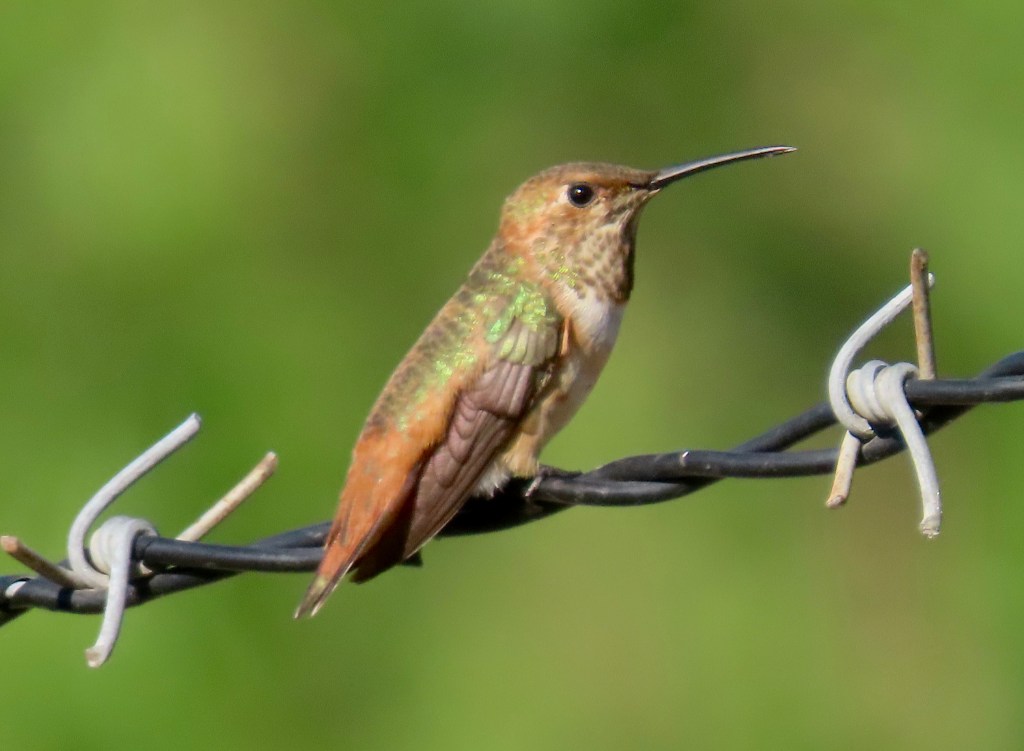
I have new yard birds now, despite not having a yard. A male Allen’s hummingbird perches every day on the low-hanging telephone wire that stretches over my parking pad; I named him Alan. As a hummingbird, he’s fiercely territorial, but when he leaves to get food the black phoebe takes his place on the wire. The black phoebe – a handsome flycatcher that pumps its tail when it perches, looking for prey – does not have a name because I always think “Black Phoebe” sounds like a one-episode Friends character that was considered hilarious in the ’90s and is now deeply problematic. (Lisa Bonet was amazing in this role, though.)
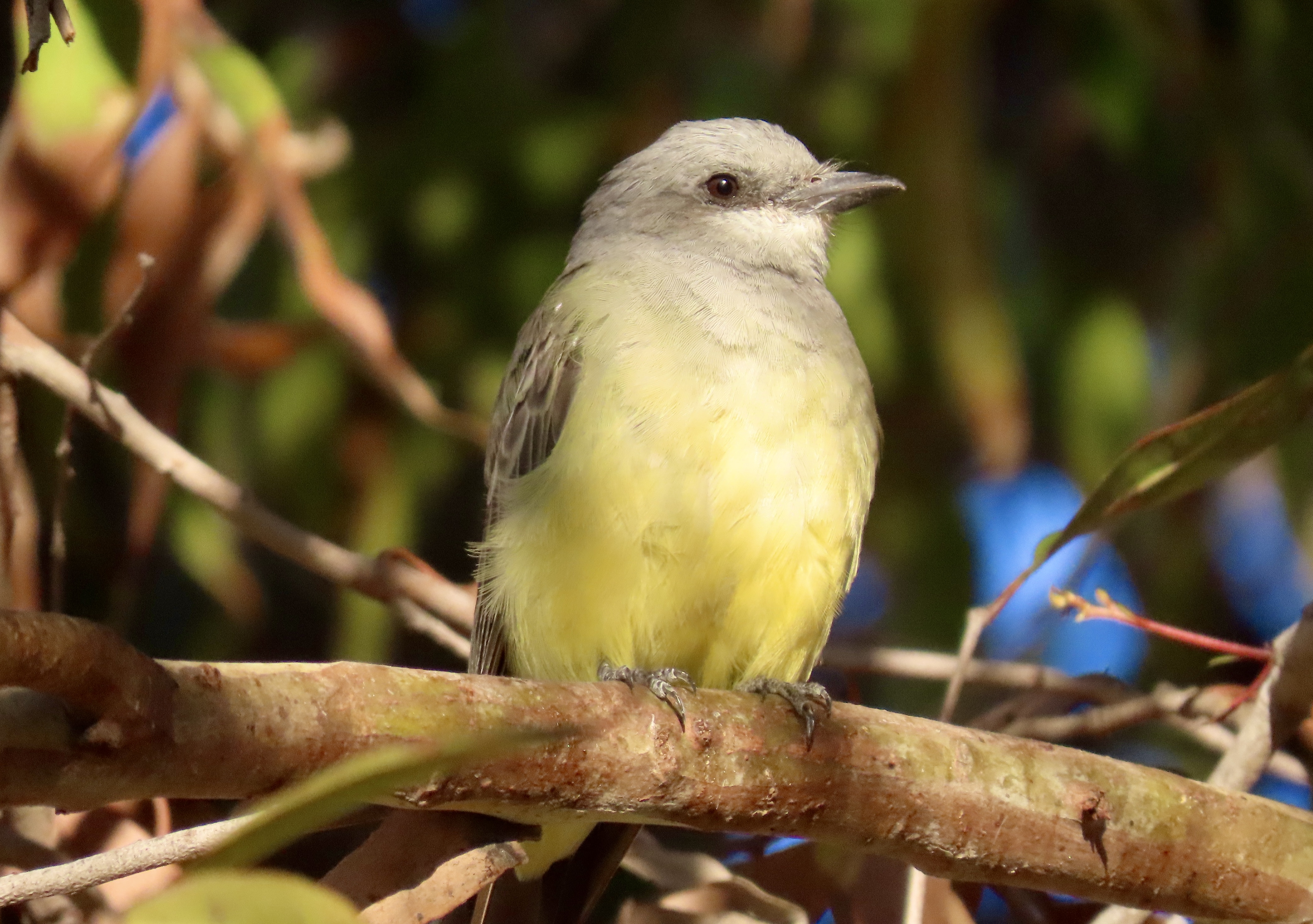
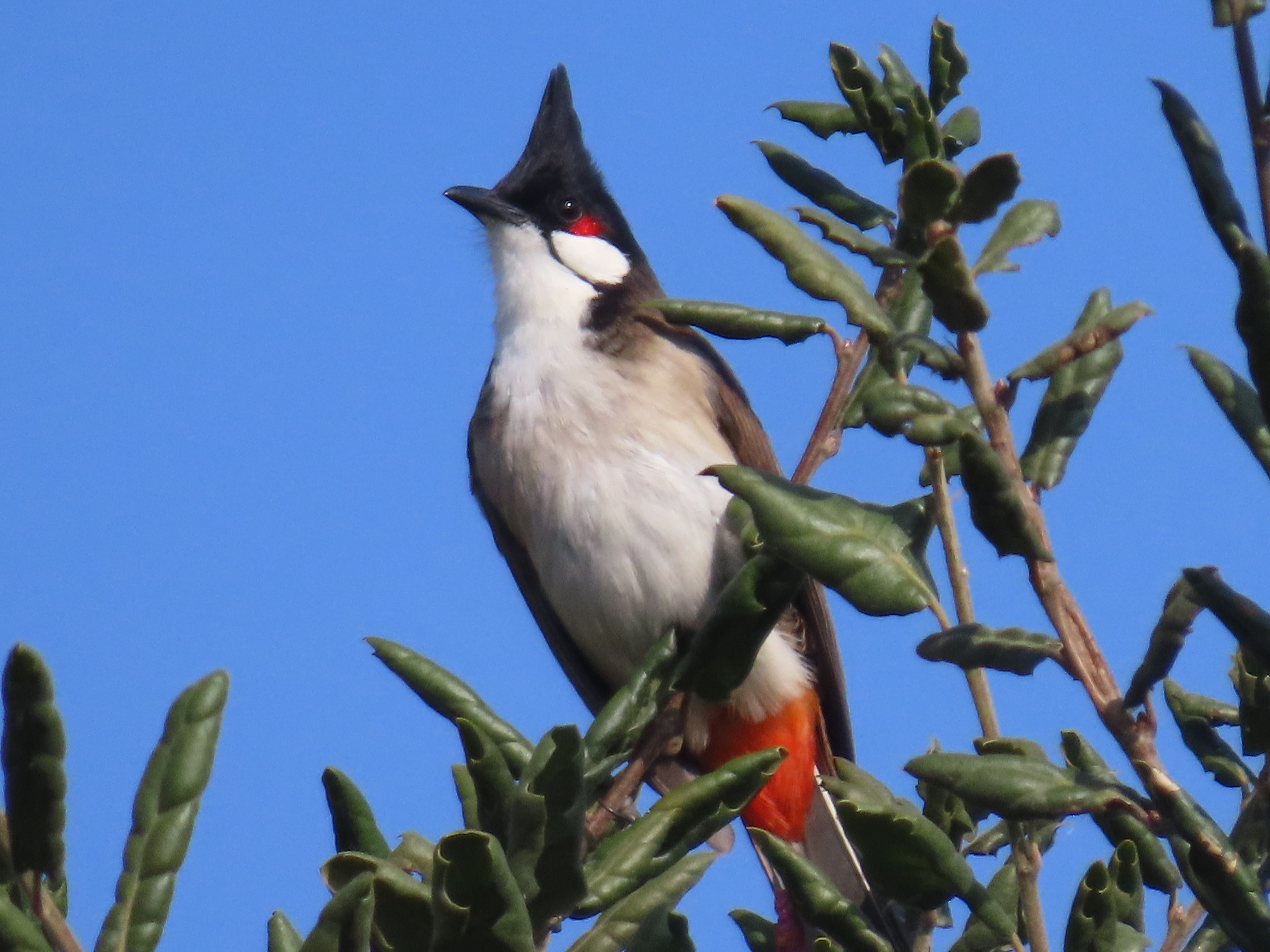
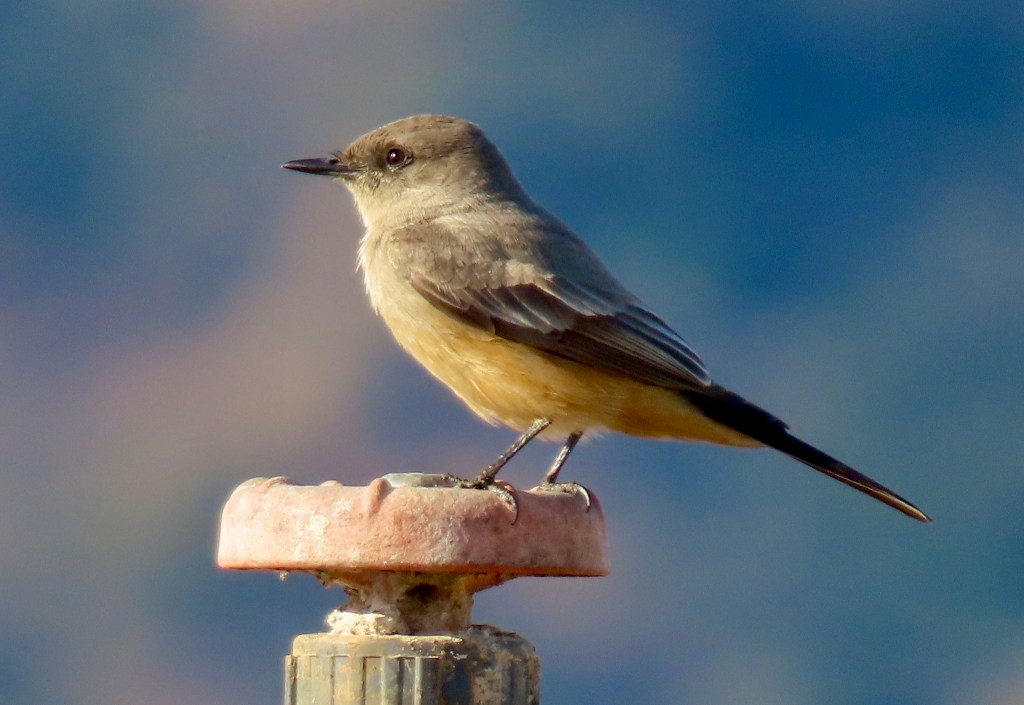
Next door, a northern mockingbird cycles through its calls but never comes over the fence to our garden (Alan doesn’t mess around). Our street is lined with Chinese banyans – non-native shade trees that do little for North American songbirds but are perfect for the escapee population of red-whiskered bulbuls, striking crested songbirds native to Asia who fill the afternoons with a rich warbling squeaky wheel of a song. The park across the street is alive with birds: a colony of Cassin’s kingbirds, with their white goatees and shrill dawn song; a family of Say’s phoebes, birds I fell in love the first time I saw their ash-to-salmon ombré; roving bands of tiny bushtits and lark sparrows with clean, bold facial stripes. A pair of red-shouldered hawks – no doubt enticed by the voles that wreck the baseball fields – is building a nest; I can hear their insistent, high-pitched calls to each other from my home.
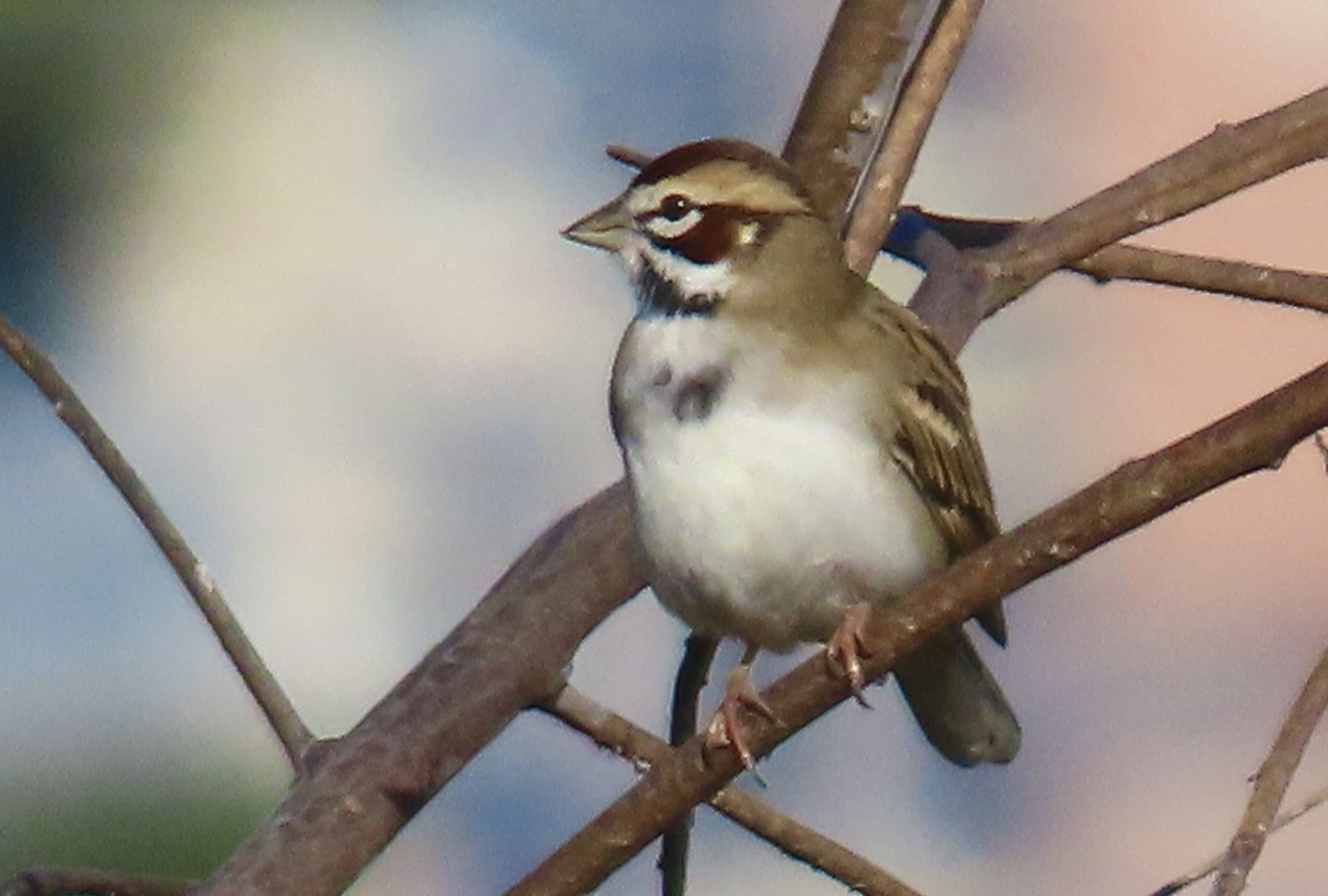
Home. I should mention that we hate this house. It’s a rental, cramped and low-ceilinged, unshaded and poorly insulated. The window screens allow bugs in and the doors all stick to their frames. The bathroom geometry was calculated by AI or someone who has never washed their hands. Generously, it was a fine place to land after a 3000-mile move, but it’s no place to truly live.
So we’ll have a new home, and soon. Not far away, but better. I imagine the bird sanctuary I might cultivate at a permanent home – native plants, my hummingbird feeder, a BirdBuddy that takes pictures of the birds who visit – and wonder what birds will be my new Alan and Black Phoebe. I will not miss this house, just as surely as I will never miss Connecticut. But the birds out my window, wherever I go, are worth remembering. They help make a place feel like home, singing their anthems of conquered gravity, etching themselves in memory as distinctly as fresh-picked citrus by a new father in a desert winter.
 Feather Report
4 responses to “Citrus / Yard Birds”
Shit, I’m from Connecticut and I don’t miss it either. I’ve been reading you since the KSK/Warming Glow days, and I’m happy that you’re writing again.
LikeLike
Me too! Thanks Mark.
LikeLike
Hello! Longtime reader of yours going back to the Kissing Suzy Kolber Days. I think we’re probably about the same age and am also growing increasingly interested in birding. Must be something in the 40+ year old DNA. Happy to be able to read your writing again! Best, Kate
LikeLike
Thanks Kate! Enjoy the official hobby of middle age!
LikeLike